For parents · Minneapolis, Minnesota
11 Minneapolis daycares to know in 2026, and what each is best for
One need per centre: a Dakota language nest, a mostly outdoor preschool, a co-op, Waldorf toddlers, grandfriends down the hall.
By DaycareOnUpdated 7 min read
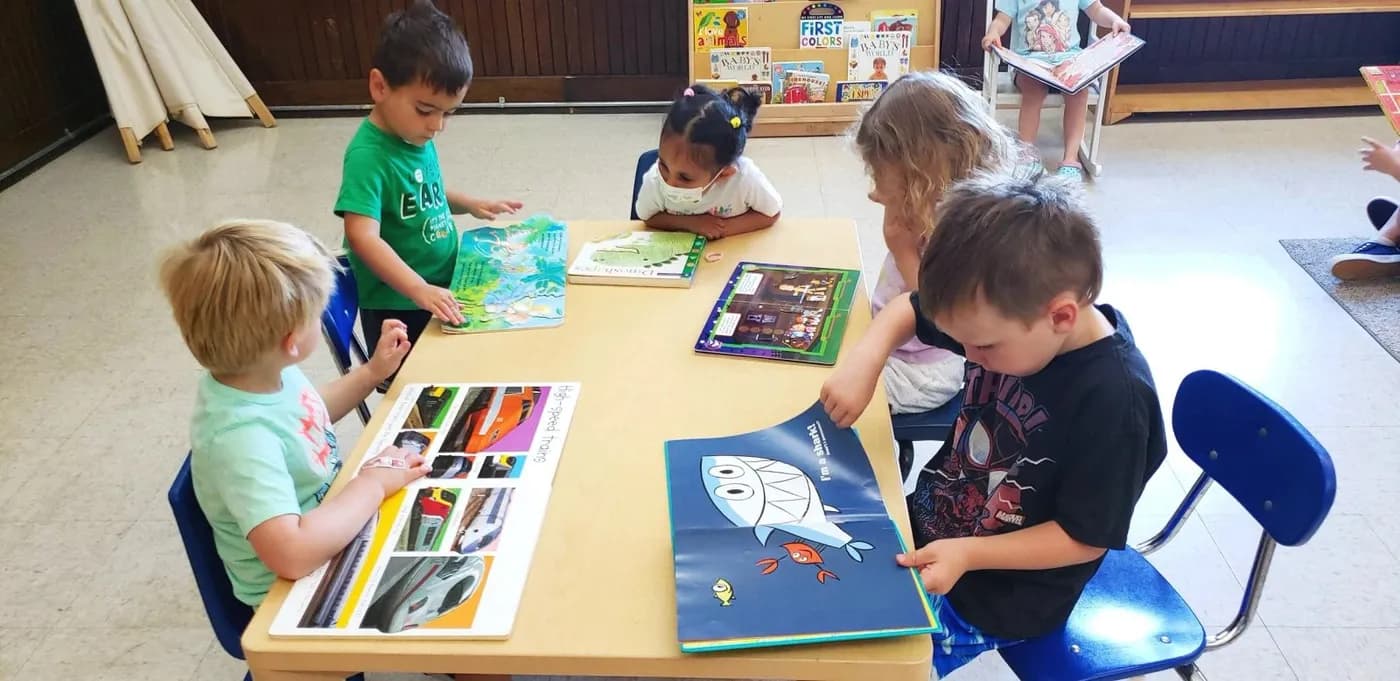
There is no single best daycare in Minneapolis; there is the best fit for your child’s age, your schedule and what you want the day to feel like. These eleven centres each stand out for one specific need, from a preschool that spends most of its day in the woods to a centre that shares a building with a senior community.
Two of these eleven, Como Early Learning Center and the University of Minnesota lab school, give U of M families a different path in. Ask each centre who gets waitlist priority.
How to use this list
Start with the need, not the name. If you want a language at home, look at Casa de Corazón, the Chinese-language centre in Northeast, or the Dakota Language Nest. If your child is under 18 months, Child Garden, Kinderberry Hill and The Pillars all take babies from six weeks. Each entry ends with a link to the centre’s DaycareOn listing, where you can save it to your tracker.
1. Como Early Learning Center: best for University of Minnesota student parents
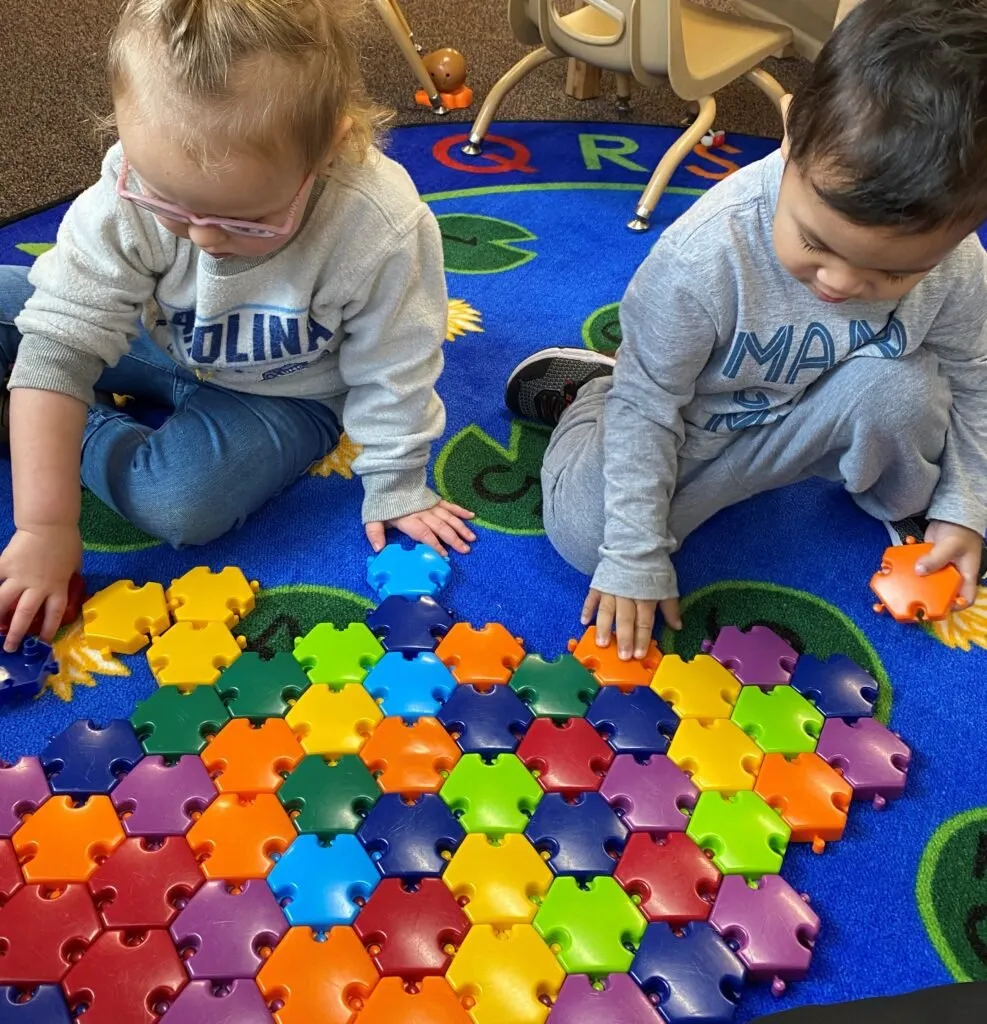
Como is a non-profit in southeast Minneapolis for children 16 months to 5 years, open year round from 7 a.m. to 6 p.m. Its waitlist preference goes to siblings first, then former students, then residents of the Como Student Community Cooperative, then University of Minnesota student parents, then everyone else.
It describes itself as NAEYC accredited and four-star Parent Aware rated, with low ratios and class sizes. If you are a student parent, put your name down as early as you can; all spaces are offered through the waiting list.
- Waitlist preference for U of M student parents
- 16 months to 5 years
- Year round, 7 a.m. to 6 p.m.
2. University of Minnesota Child Development Laboratory School: best for a Dakota Language Nest

The lab school runs Dakhód’iapi Wahóȟpi, a Dakota Language Nest for children 3 to 5, open to the whole community from 8 a.m. to 5 p.m., Monday to Friday, with a class size of 10.
Its full-day program for children from 3 months is limited to University of Minnesota students, staff and faculty, and the site quotes an average wait of 18 to 24 months. The part-day program for ages 2 to 5 is open to everyone.
- Dakota Language Nest, ages 3 to 5
- Language Nest 8 a.m. to 5 p.m.
- Full-day program for U of M students, staff, faculty
3. Minneapolis Nature Preschool: best for a mostly outdoor day
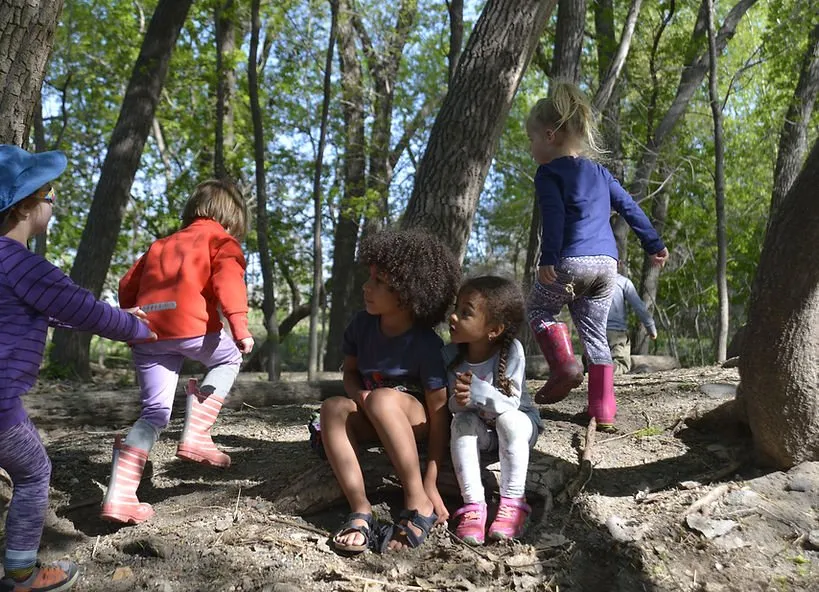
The school says most of the day takes place outside, rain, snow or shine, in its forest classroom, outdoor courtyard and nearby Theodore Wirth Park. There is an indoor room for warming up, and it moves inside for thunderstorms, high winds or dangerous cold.
It is a half-day program with morning or afternoon classes. Children must be fully potty trained, and the site encourages families to apply for CCAP and Think Small Early Learning Scholarships.
- Mornings 8:30 to 11:30 or afternoons 12:30 to 3:30
- Most of the day outdoors in every season
- CCAP and Early Learning Scholarships encouraged
4. Bright Prospects Cooperative Preschool: best for a parent co-op
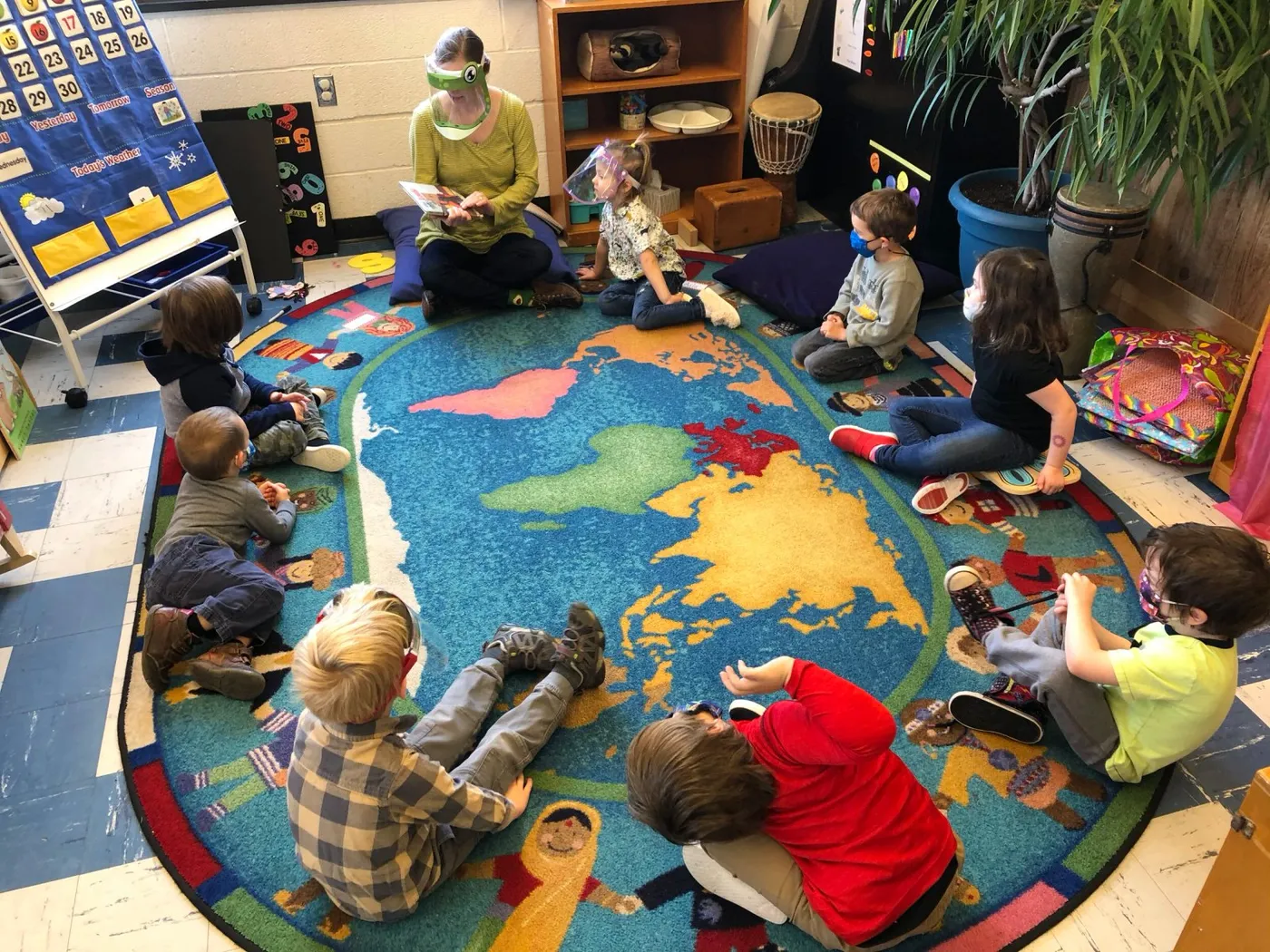
Founded in 1948, Bright Prospects describes itself as one of the oldest continuously running cooperative preschools in the country. Parents volunteer in the classroom once a month, attend monthly membership meetings and serve on a committee, and the school says that keeps it affordable.
Morning classes run 9 a.m. to 12 p.m. in two-, three- or five-day options, with a limited afternoon option. Tuition is a sliding scale where members pick a monthly level. The site lists a waitlist for 2026 to 2027.
- Parent co-op: monthly classroom volunteering
- Sliding-scale tuition
- 33 months to 5 years, potty trained
- Mornings 9 a.m. to 12 p.m.
5. Child Garden Montessori: best for Montessori from six weeks
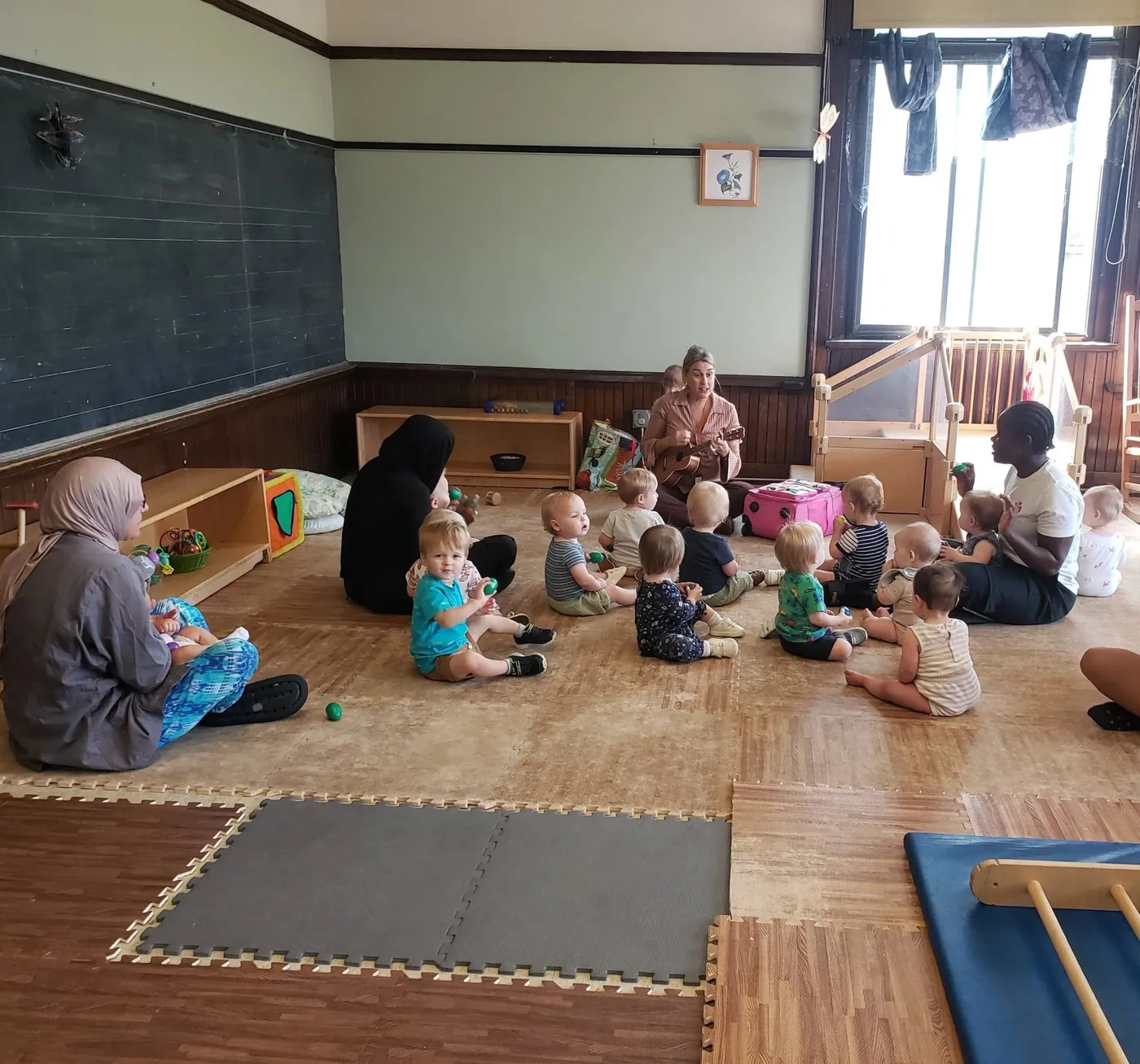
Child Garden has run Montessori child care since 1964 and says it is the longest-operating one in the Twin Cities. It has three levels: Nido for babies from 6 weeks to 16 months, a toddler room to age 3, and Casa from 3 through kindergarten.
Tuition is all-inclusive. The site lists before and after care, meals, snacks, music classes and cloth diapers for infants in the price, so ask for the full monthly figure to compare with other centres.
- Nido from 6 weeks through kindergarten
- Meals and snacks included
- Montessori with music classes
6. City of Lakes Waldorf School: best for a screen-free toddler year
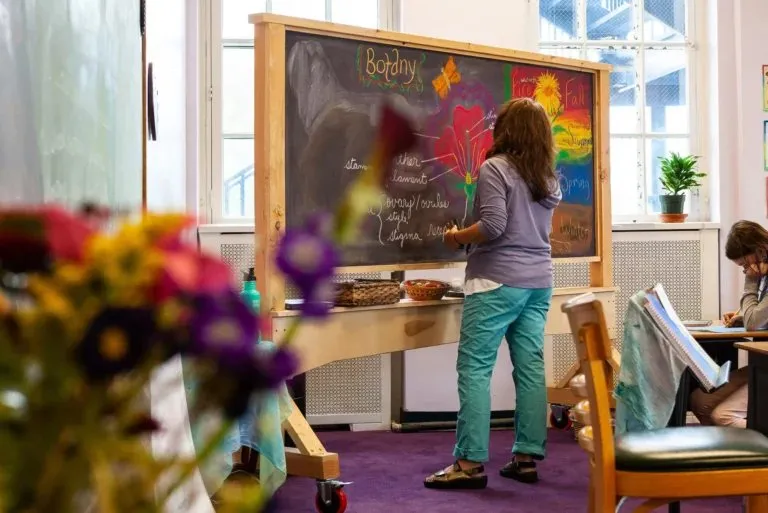
The toddler program takes children 18 to 36 months, with a 1:5 ratio. The school says it offers one of the greatest amounts of outdoor time for the age group in the Twin Cities, and the whole early childhood program is screen-free and play-based.
The toddler day runs 8:20 a.m. to 5:30 p.m. with extended-day options, on the school calendar from after Labor Day to the first week of June. The preschool is for children who are 3 by the start of the school year and mostly self-toileting.
- Toddlers 18 to 36 months, 1:5 ratio
- Toddler day 8:20 a.m. to 5:30 p.m.
- Waldorf, screen-free, lots of outdoor time
7. Kinderberry Hill: best for a downtown commute
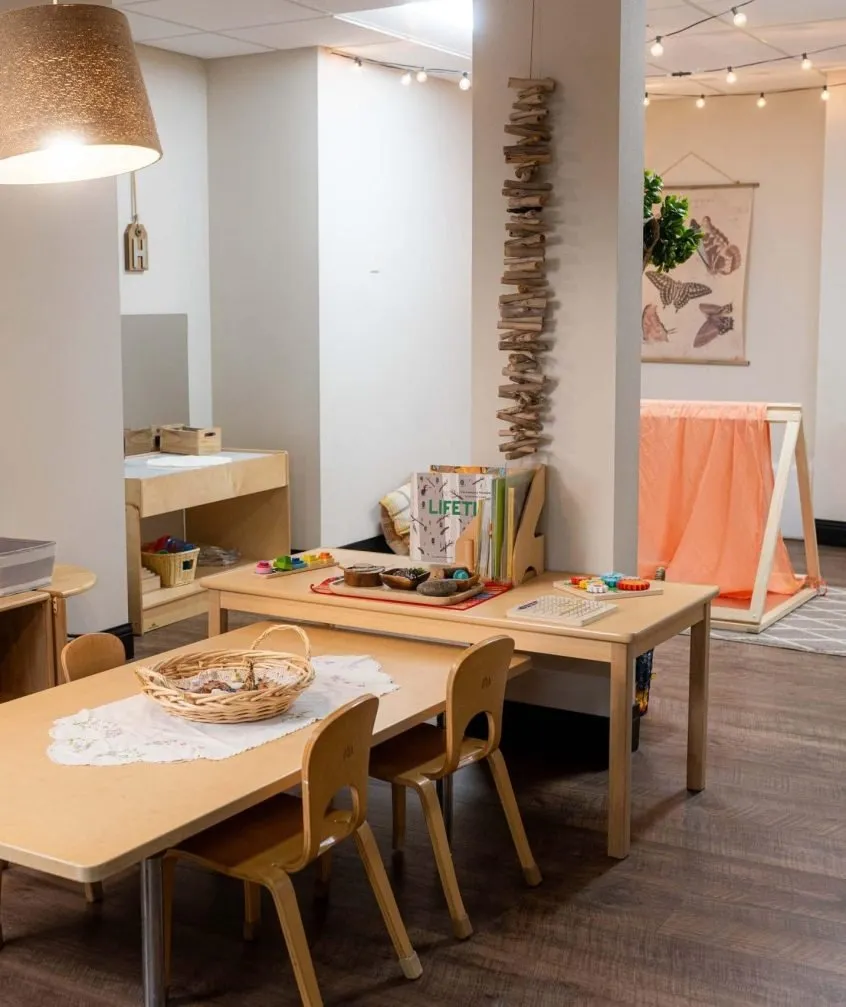
Kinderberry Hill’s downtown school is reachable by the skyway system and a parking ramp, and is open 7 a.m. to 6 p.m. year round for children from 6 weeks to pre-kindergarten. It has a private rooftop play terrace and a chef who cooks meals on site.
It now offers part-time care alongside full-time. The approach is Reggio Emilia, and tuition is described as all-inclusive.
- 7 a.m. to 6 p.m., year round
- 6 weeks to pre-kindergarten
- Part-time care offered
- Meals cooked on site
8. The Pillars Child Care: best for grandfriends down the hall
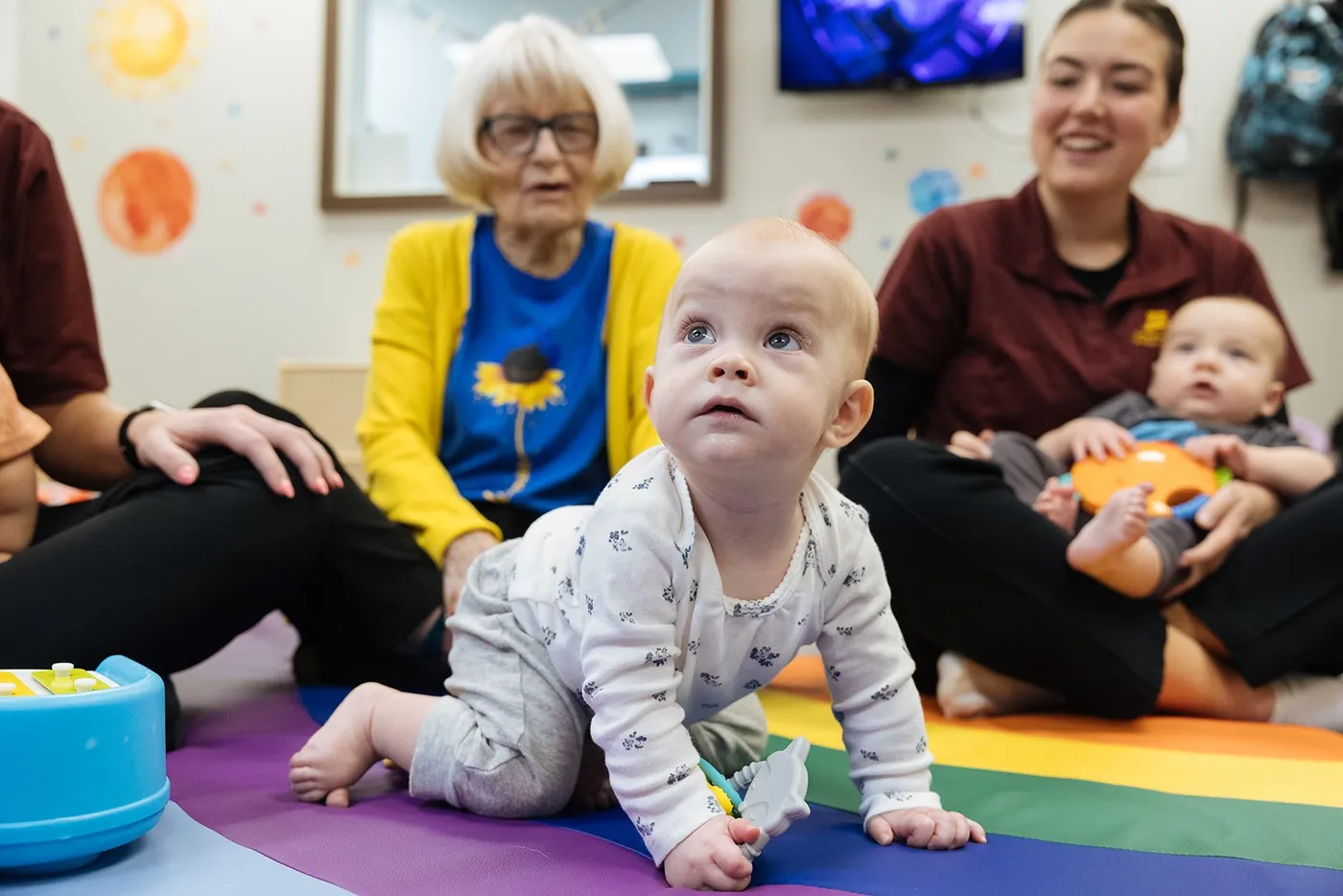
The Pillars shares a site with The Pillars of Prospect Park senior living community, and children spend time with older residents they call grandfriends. If your child has no grandparents nearby, this is the point of the program.
It takes children from 6 weeks to 5 years in infant, toddler and pre-K rooms, offers drop-in care, and has an on-site chef. It lists a 10 percent discount for Fairview Health Services employees and 15 percent for Ebenezer Senior Living employees.
- Intergenerational shared-site program
- Infants from 6 weeks to age 5
- Drop-in care available
- On-site chef
9. Casa de Corazón (Kingfield): best for Spanish and scratch-made meals
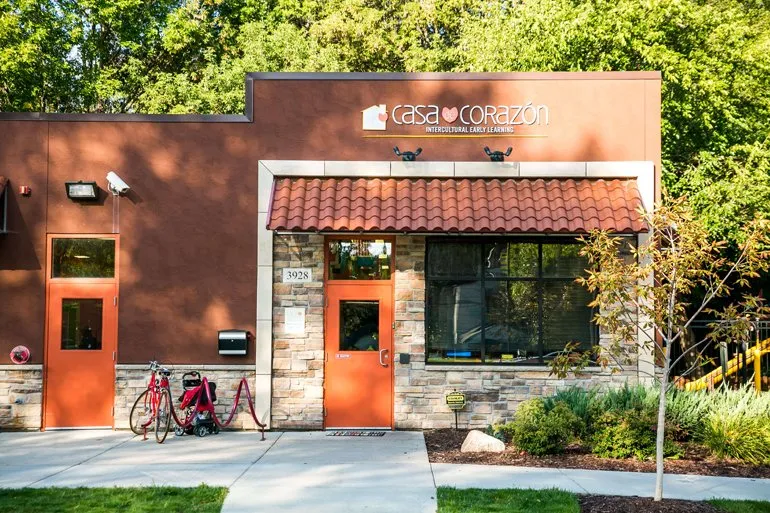
The Kingfield site takes children from infancy through pre-K, open 7:30 a.m. to 5:30 p.m., with part-time options. It teaches Spanish and culture through weekly cultural lessons and says meals are scratch-made with organic ingredients by ServSafe-certified chefs.
It is NAEYC accredited. Ask how many hours a day are in Spanish so you know how close it is to full immersion.
- Spanish and cultural lessons
- Infants through pre-K
- Scratch-made organic meals
- 7:30 a.m. to 5:30 p.m.
10. Minnesota Chinese Day Care and Learning Center: best for Chinese in Northeast
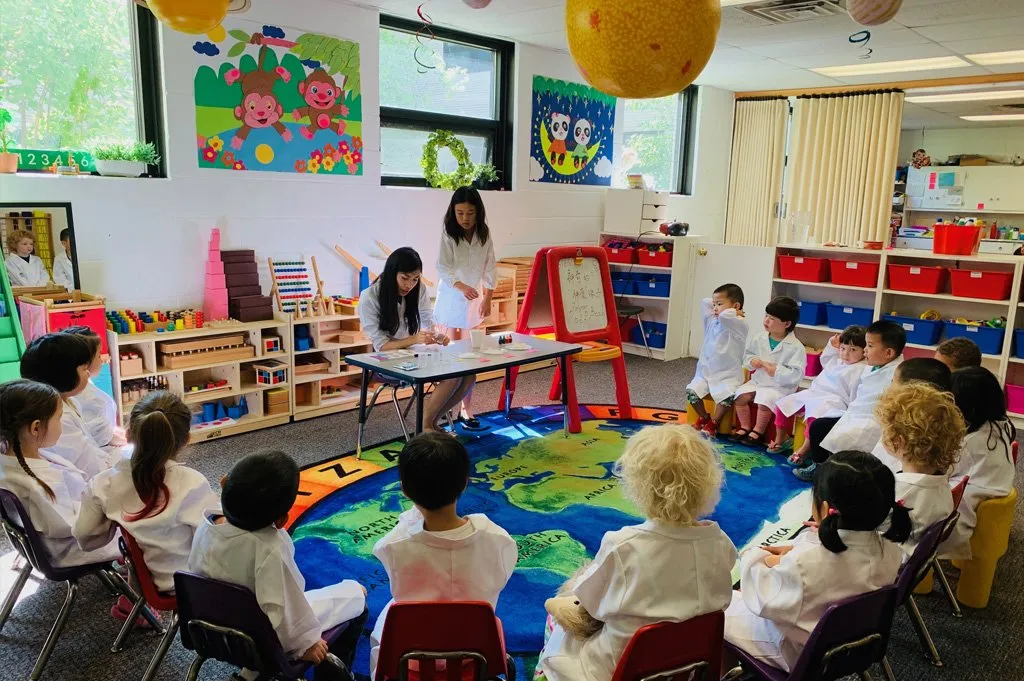
The Northeast Minneapolis site takes toddlers from 16 months and runs preschool rooms to age 5. The daily schedule builds in Chinese character practice, Chinese story time, singing and Chinese folk dance, with breakfast, lunch and an afternoon snack listed.
It is open 7:30 a.m. to 5:30 p.m. The site calls the program Chinese language and culture immersion, so ask how much of each day is in Chinese for your child’s room.
- Chinese language and culture
- Toddler from 16 months to preschool
- 7:30 a.m. to 5:30 p.m.
11. Seed Early Learning Academy: best if you have a school-age sibling
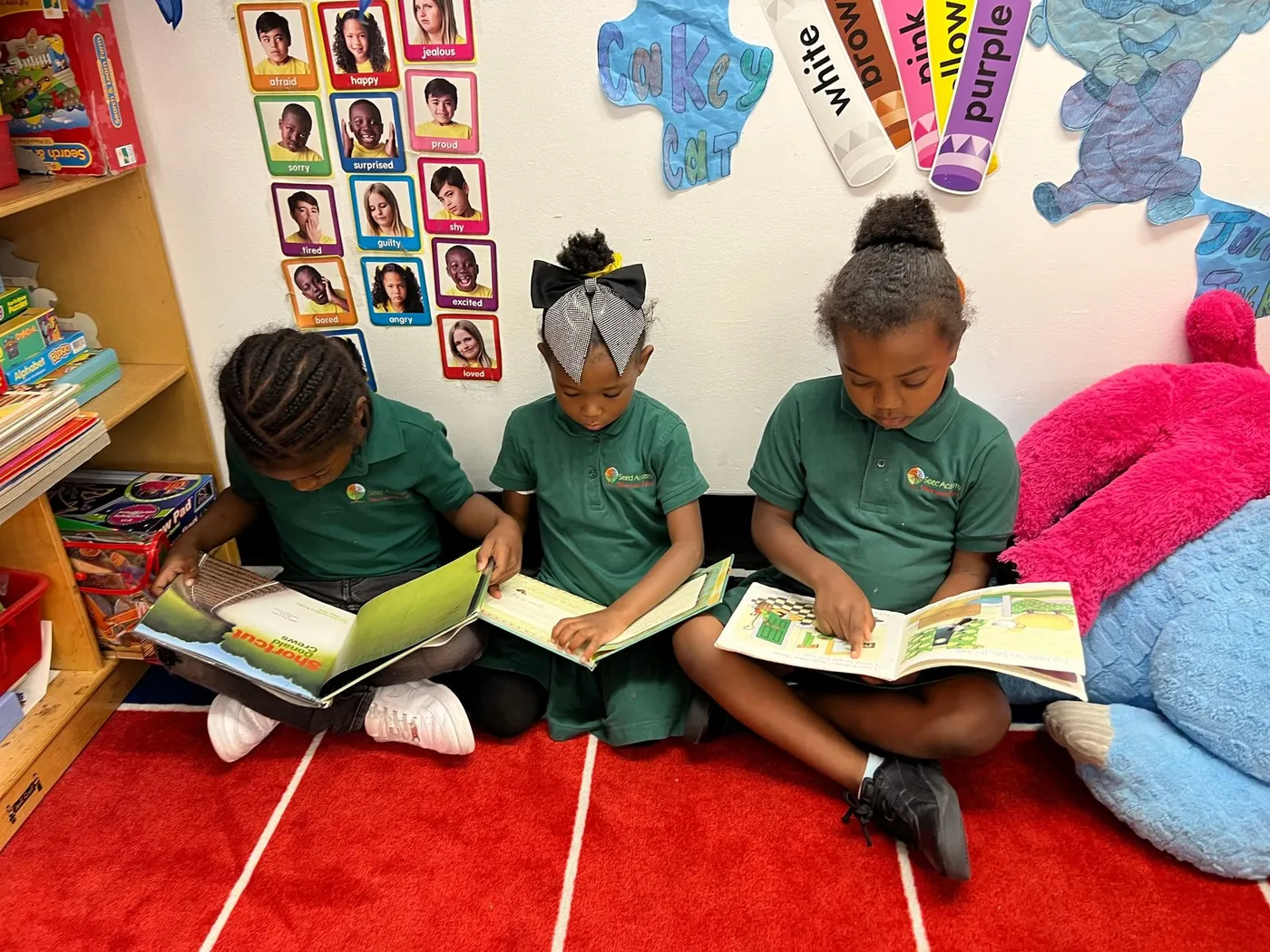
Seed, a non-profit on the North Side that has been licensed since 1985, takes children from 33 months to 12 years. Hours are 6:30 a.m. to 6 p.m., with an afterschool latchkey program from 3 to 6, so one stop can cover a preschooler and an older sibling.
It describes an Afrocentric, STEAM-based program and children wear uniforms. The site also lists weekly testing and homework, so ask what that looks like in the preschool room.
- 33 months to 12 years
- 6:30 a.m. to 6 p.m.
- Afterschool latchkey 3 to 6 p.m.
What to do this week
Pick three from this list and three near home, then:
- Open each listing and save it to your DaycareOn tracker.
- Ask each centre which room your child would join on your start date, and when a space is likely to open.
- Ask who gets waitlist priority. Como and the lab school each have their own rules.
- Look up each centre’s license and any citations in the Minnesota DHS licensing lookup before you visit.
- If cost is the constraint, ask whether the centre accepts CCAP and Early Learning Scholarships.
Sources
- Minnesota DHS Licensing Information Lookup · Checked
- Como Early Learning Center · Checked
- Child Development Laboratory School, University of Minnesota · Checked
- Minneapolis Nature Preschool · Checked
- Bright Prospects Cooperative Preschool · Checked
- Child Garden Montessori · Checked
- City of Lakes Waldorf School · Checked
- Kinderberry Hill Minneapolis · Checked
- The Pillars Child Care · Checked
- Casa de Corazón, Kingfield · Checked
- Minnesota Chinese Daycare · Checked
- Seed Early Learning Academy · Checked
Related guides
Toronto, Ontario
12 Toronto daycares to know in 2026, and what each is best for
Boston, Massachusetts
11 Boston daycares to know in 2026, and what each is best for
Chicago, Illinois
10 Chicago daycares to know in 2026, and what each is best for